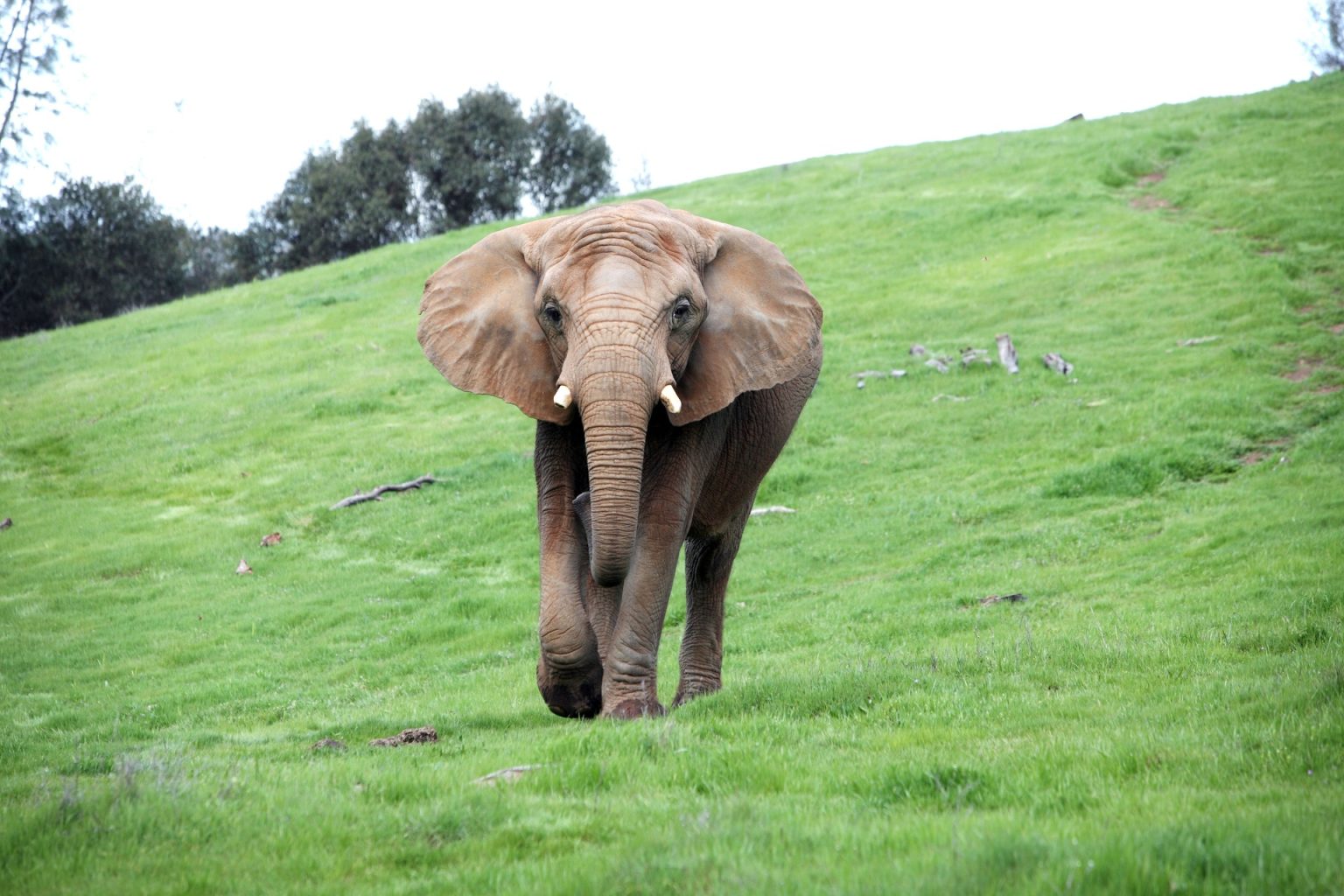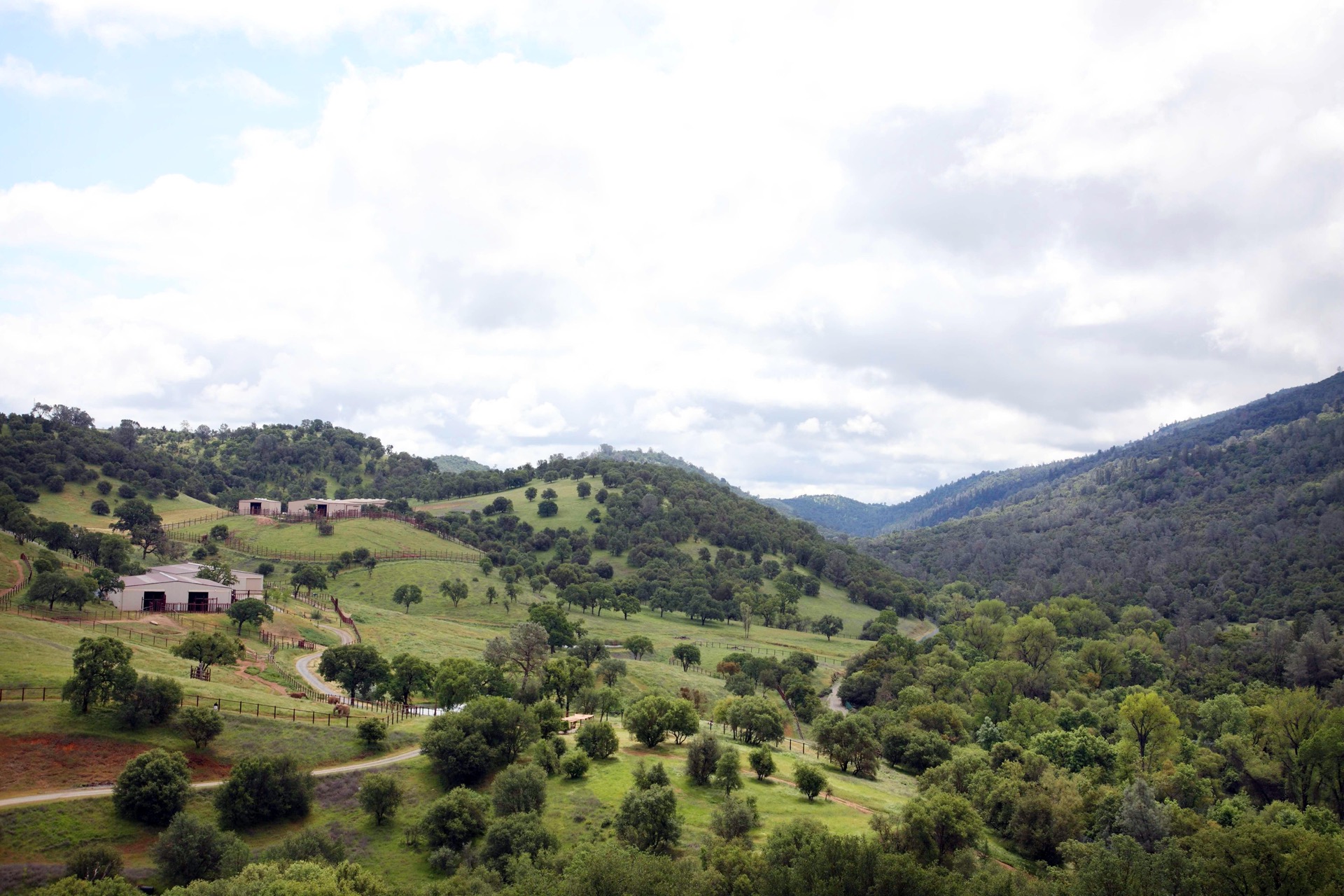
The ARK 2000 Sanctuary
A true sanctuary for captive wild animals
Animal welfare is our number one priority, with a team of dedicated caregivers and veterinarians looking after the animals’ well-being. An on-site veterinary clinic tends to health care needs. To ensure the animals have the most intrusion-free lives possible, the sanctuary is not open to the public except for a limited number of educational events. A true sanctuary, PAWS does not breed, buy, sell, or trade animals, or allow the public to come into contact with them. We recognize that wild animals belong in the wild, not in captivity.
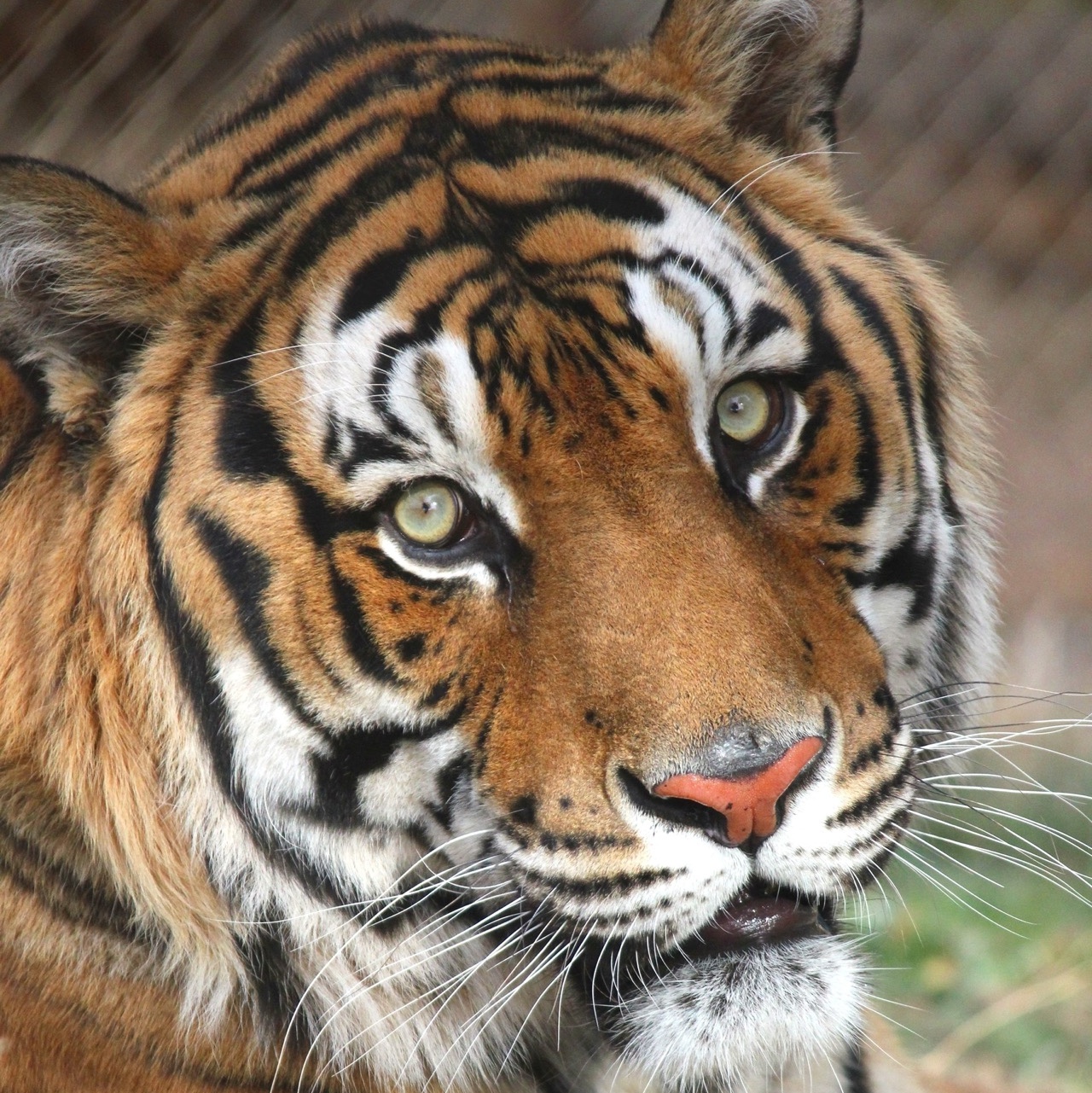
Common questions about the PAWS sanctuary
-
What makes a sanctuary different than a zoo?
True sanctuaries do not exploit animals for human entertainment or force them into roles as unwilling “ambassadors” for their species. Their mission is solely dedicated to the well-being of each animal and ensuring they receive lifelong, quality care. Animals are never traded, bought, bred, or sold; important social bonds are respected and preserved. A true sanctuary recognizes that wild animals belong in the wild, not in captivity.
-
Where do the animals you care for at the sanctuary come from?
PAWS provides a home for rescued and retired wild animals from zoos, circuses, and the exotic animal trade. While some animals were retired to PAWS, others were illegally owned as “pets” and confiscated by law enforcement, or they are here because of legal action by state and federal authorities. One of our emus was found running through the streets of a local town!
-
How long will PAWS care for each animal?
The animals who come to PAWS stay here for life – and that can be a very long time! Elephants can live into their 50s and 60s. Big cats and bears can live for 20 or more years, as can nonhuman primates.
-
Why doesn't the sanctuary breed animals?
PAWS opposes the breeding of wild animals, as no captive environment can meet their complex needs, including social networks, vast areas to roam, natural behaviors, and genuine autonomy. Breeding only condemns more wild animals to a life of captivity while taking up space critical for animals in urgent need of rescue.
-
Where is the sanctuary and are you open to the public?
The sanctuary is located in Northern California. To ensure the animals have the most natural, intrusion-free lives possible, the sanctuary is not open to the public, except for a limited number of select educational events.
-
Is the PAWS sanctuary accredited?
PAWS is accredited by the Global Federation of Animal Sanctuaries (GFAS), which requires that sanctuaries meet certain standards of animal care, financial stability, and governance. Beware of places that call themselves “sanctuaries” or “rescues” but breed or buy animals, allow people to directly interact with them, and do not provide humane care for the animals.
-
How do you support the care of the animals?
As a non-profit organization, PAWS primarily relies on individual donors to fund sanctuary operations, rescues, and our advocacy work. PAWS does not receive any government funding, even if we assist a government agency with a special rescue. After the rescue, PAWS is responsible for the lifetime housing and care of that animal.
Sanctuary statistics
-
2,300
Number of acres that constitute PAWS' ARK 2000 sanctuary.
-
35
Number of staff dedicated to animal care and smooth operation of PAWS.
-
24/7
The animals are monitored 24 hours a day, every day of the week.
-
365
Number of days each year that the animals can enjoy being outdoors.
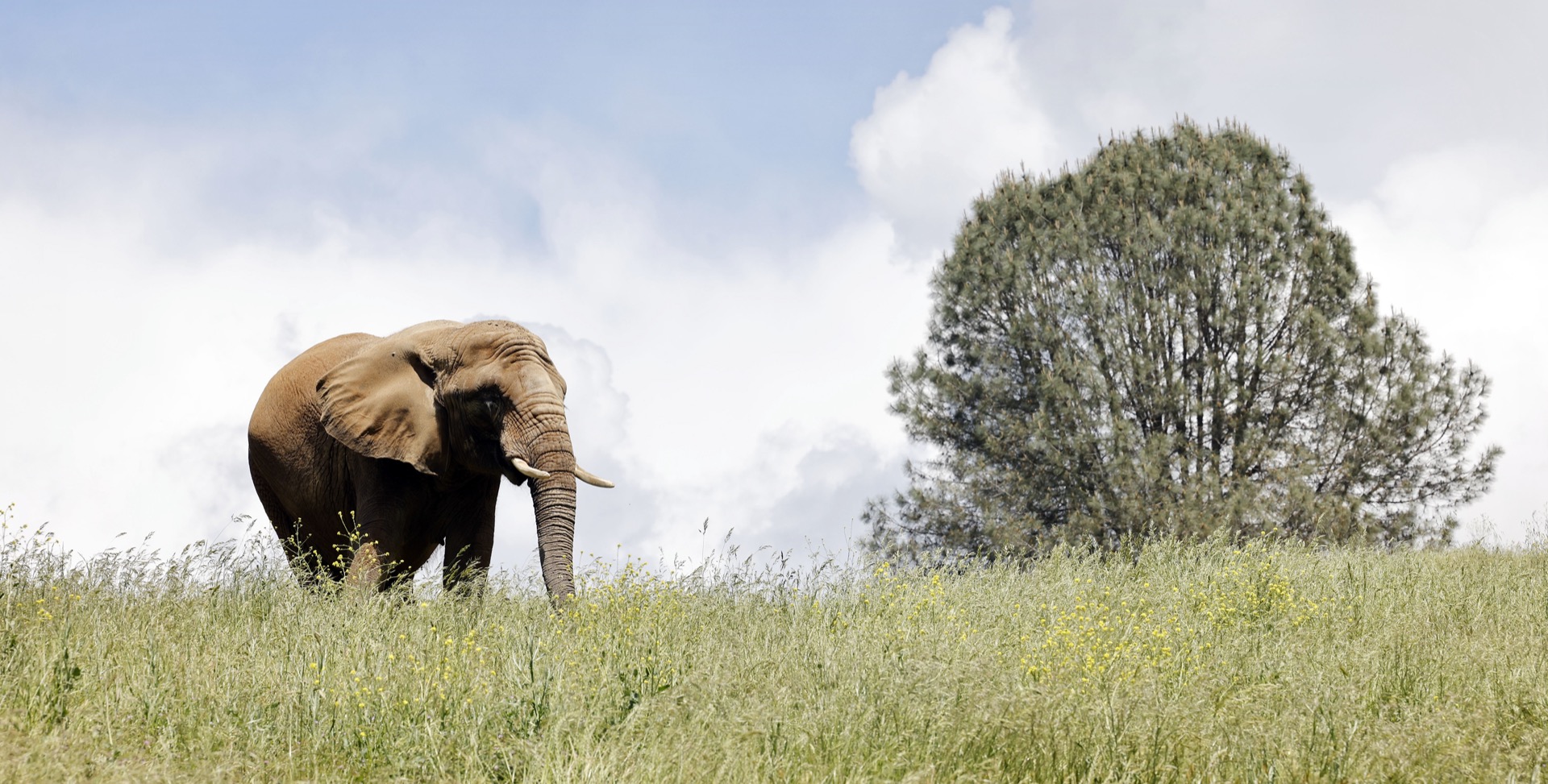
Animal Care and Management
PAWS’ caregiver and veterinary teams provide exceptional, long-term care to ensure the health and well-being of the animals at our sanctuary. This includes daily monitoring, individualized attention, and prompt medical intervention when needed. Routine procedures include exams, annual testing, weight monitoring, and treatments. At our on-site veterinary clinic we have state-of-the-art equipment and a fully equipped surgical suite.
The animals thrive in dynamic surroundings designed to meet their physical and psychological needs. These environments include grassy areas, broad oak trees, native shrubs, pools, and lakes, allowing the animals to actively engage in natural behaviors such as foraging, swimming, exploring, climbing, socializing, or basking in the sun. More subtle benefits include the quiet of living in nature, greater privacy, and enriched sensory experiences.
Below are the costs associated with caring for some of the animals who call our sanctuary home.
-
 Elephants
- Care and feeding of one healthy elephant is approximately $80,000 annually.
- Care of an aged or unhealthy elephant can easily escalate to $100,000+ annually.
-
 Bears
Bears
- Food and general care for one healthy bear is approximately $18,000 annually.
-
 Big cats
- Food and general care for one healthy big cat is approximately $20,000 annually.
-
 Smaller felines
- Food and general care for one healthy smaller feline such as a bobcat is approximately $10,000 annually.
-
 Nonhuman primates
- Food and general care for one healthy monkey is approximately $10,000 annually.
Protected contact management
At PAWS, the animals are managed using the protected contact system that prioritizes safety and respect. Caregivers do not share the same unrestricted space with the animals; instead, they engage through a barrier that safeguards both humans and animals. The animals are trained through the use of food rewards and verbal praise, and their involvement in training is always voluntary. They are never subjected to punishment or physical discipline. This approach allows us to consistently and safely deliver comprehensive husbandry and veterinary care while maintaining the animals’ trust and well-being.